
At Vision China 2025, Akeso unveiled AI photolithography–based myopia management, MetaRx™ super-lens technology, and far-sight display solutions, showcasing a fully integrated, personalized approach to next-generation myopia prevention and eye health innovation.
.png)
Jan 8, 2026
The global visual health event Vision China 2025 successfully concluded on June 15, 2025 at the Xi’an International Conference Center. Akeso made a strong appearance at the event, presenting its globally leading OptiDynamic™ AI photolithography personalized myopia management solution and MetaRx™ super-lens photolithography human-eye optical lens processing technology, helping to ignite a new wave of innovation in myopia prevention and control.
During the exhibition, Akeso’s Evosight Flip™ (Optical Far-Sight Reading Device) and Evosight Desk™ (AR Far-Sight Display) allowed numerous families to experience the “power of light.” These solutions are designed to make reading and screen use feel as though the eyes are looking farther away rather than at close range, helping reduce eye strain and support healthier visual habits, especially for children.
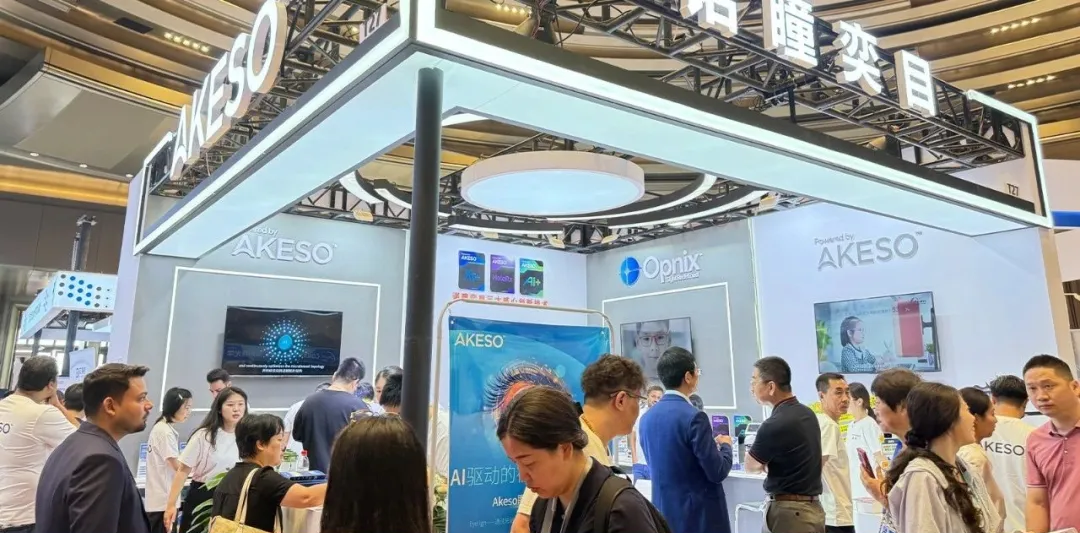
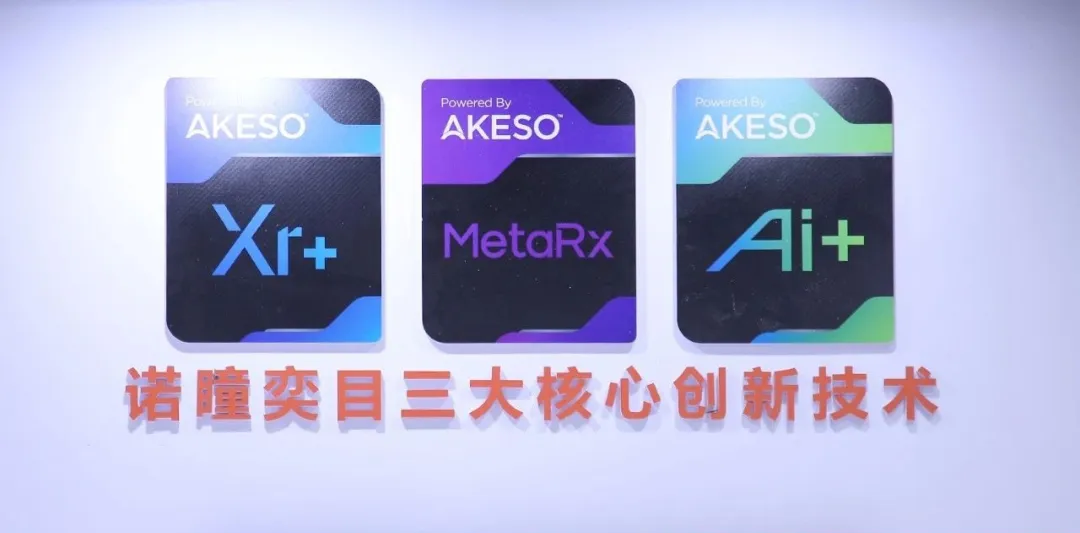
Akeso’s OptiDynamic™ photolithography personalized myopia management solution was officially unveiled at Vision China 2025. The solution is built around an AI-driven digital design framework centered on the process of perception, decision-making, and execution. By deeply integrating Akeso’s MetaRx™ super-lens photolithography technology, it enables dynamic adaptation of lens optical zones to pupil size, customized small optical zones, and high-defocus designs.
This approach breaks through the limitations of traditional myopia prevention and control methods and provides children with high myopia a solution that is powerful, comfortable, precise, and personalized.
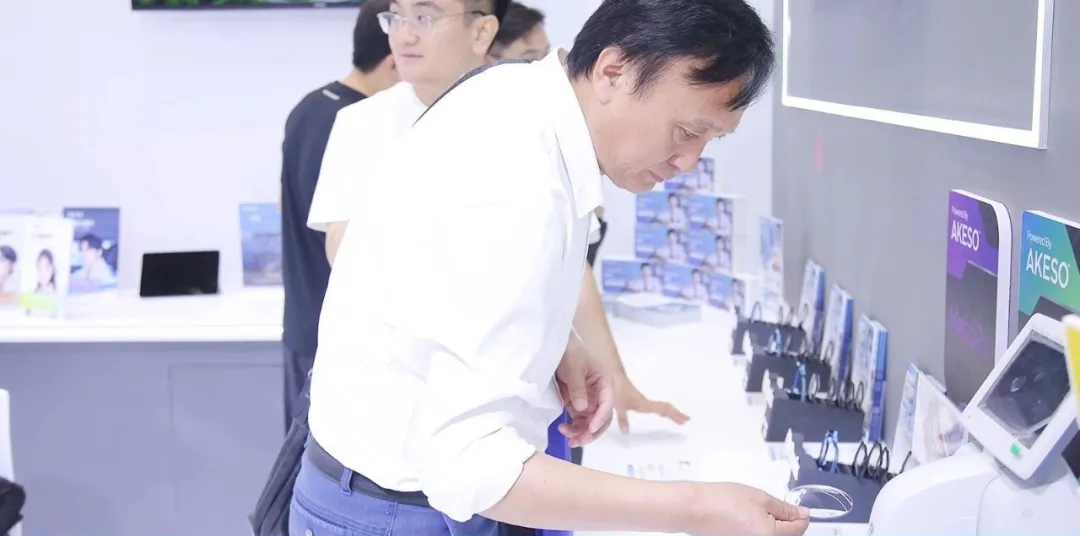
MetaRx™ was introduced as the world’s first super-lens photolithography technology specifically designed for human-eye optical lenses.
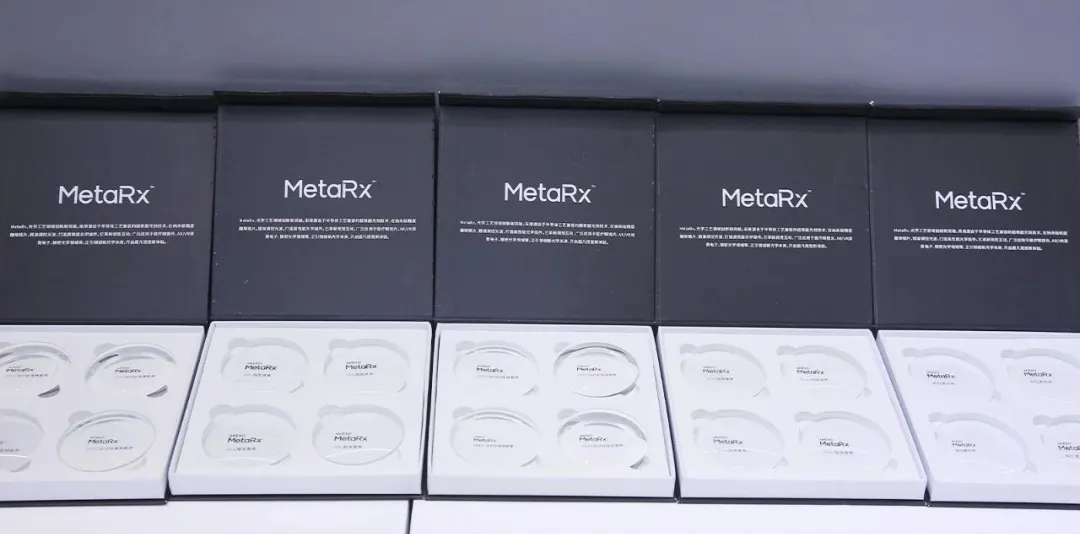
This solution applies an innovative optical design that combines fractional mirrors with free-form total internal reflection mirrors. Through physical distance extension technology, reading materials are virtually imaged at distances ranging from 3 to 20 meters.
When combined with dot contrast control technology using precise ten-thousand-point matrix arrangements, the system significantly reduces retinal light stimulation and accurately suppresses abnormal axial elongation. The platform features a 19.6-inch ultra-wide field of view, three-level adjustable full-spectrum lighting, and an ergonomic design that improves both the visual environment and sitting posture.
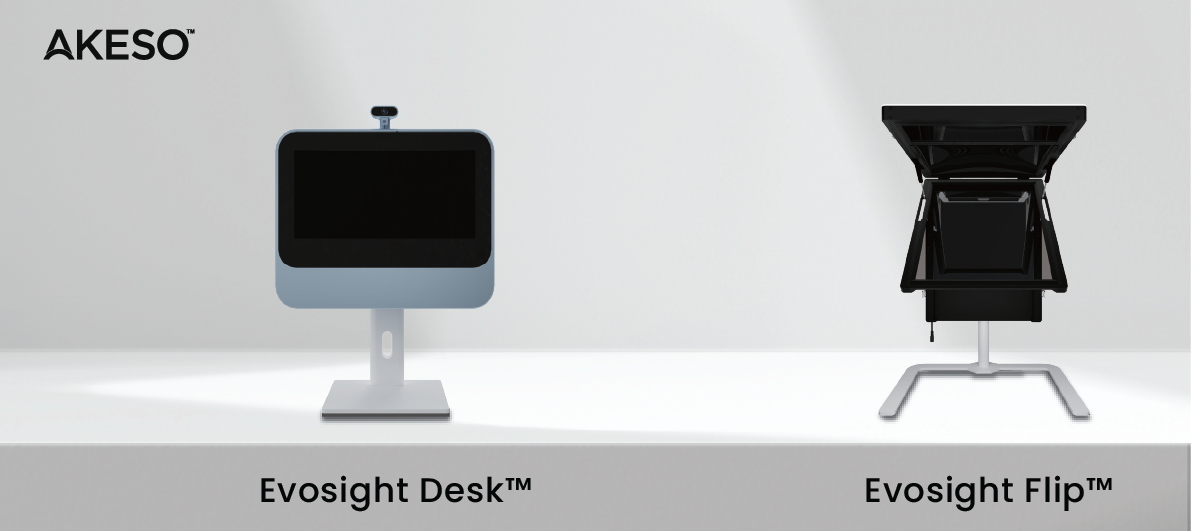
Using a patented AR free-form optical solution, the screen image is equivalently enlarged to a 200-inch display viewed from a distance of six meters, helping to reduce eye fatigue caused by prolonged near-distance viewing.
An imported retina-level display with high color reproduction, low distortion, and blue-light protection is combined with circular polarization technology to effectively relieve dry eye symptoms and visual fatigue, providing innovative protection for adolescent eye health.
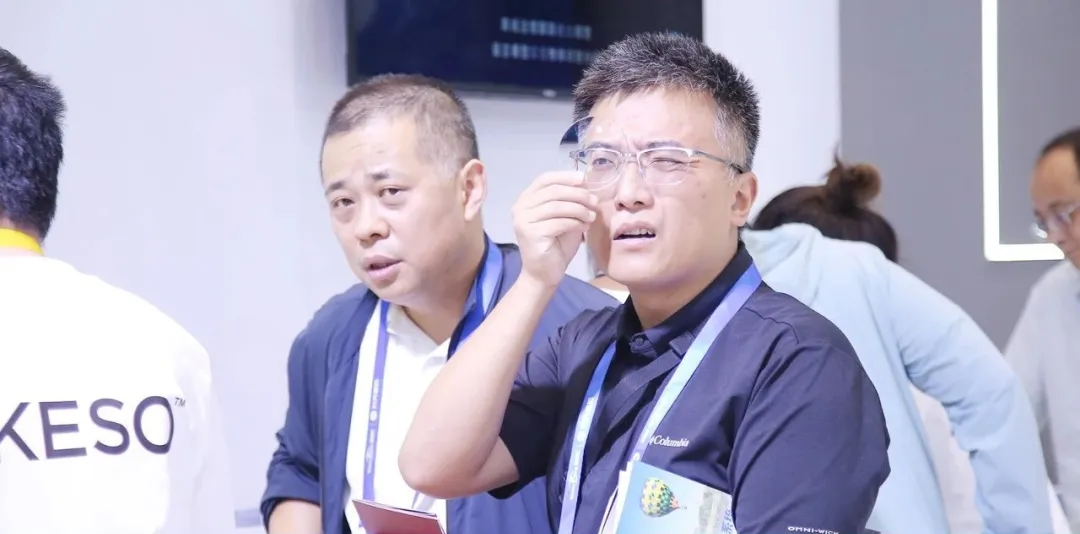
Following the conclusion of Vision China 2025 in Xi’an, Akeso demonstrated a comprehensive innovation ecosystem that integrates artificial intelligence, precision optical manufacturing, and far-image light field technology. By translating advanced optical science into practical, family-oriented eye health solutions, Akeso continues to advance myopia prevention and control toward greater precision, personalization, and evidence-based clinical application.
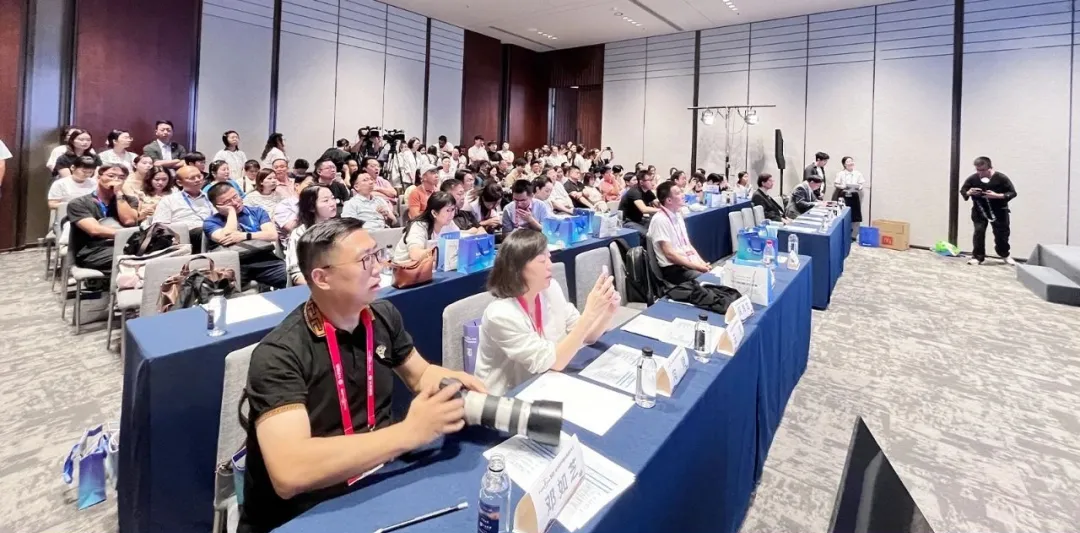
To promote technological innovation and academic exchange in the field of vision and optics and to advance myopia prevention and personalized lens solutions, the sub-venue titled “New Technology, New Vision, New Future: The Ninth ‘Love Light’ Optical Lens Academic Conference and the Cross-Strait Medical and Health Exchange Association Ophthalmology Specialist Committee Refractive Issues and Prevention Working Group 2025 Annual Academic Conference” was successfully held on the afternoon of June 13, 2025. The meeting took place during Vision China 2025.
The conference was organized by the Cross-Strait Medical and Health Exchange Association Ophthalmology Specialist Committee, co-organized by the Vision China 2025 Organizing Committee and the Asia Optometric Management Academy (AOMA), and supported by Akeso and Weishi Aikent (Guangdong) Medical Technology Joint Stock Company.
The meeting gathered renowned experts, scholars, and industry representatives from the domestic vision and optics field to conduct in-depth discussions and exchanges on cutting-edge topics including new technologies for myopia prevention and control, innovative optical lens design, and personalized management practices.
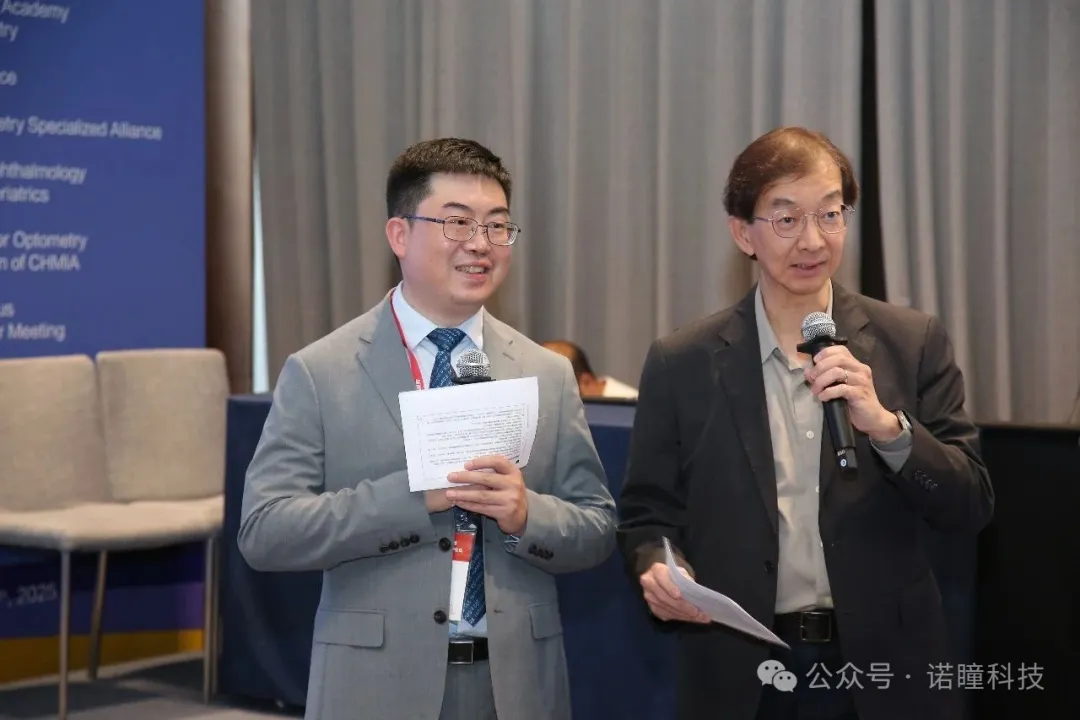
The conference opening was jointly hosted by Professor Hu Liang and Professor Lin Na of the Affiliated Eye Hospital of Wenzhou Medical University. Professor Lv Fan of the Affiliated Eye Hospital of Wenzhou Medical University delivered the opening remarks.
The subsequent special report sessions were rich and varied; as mentioned below.
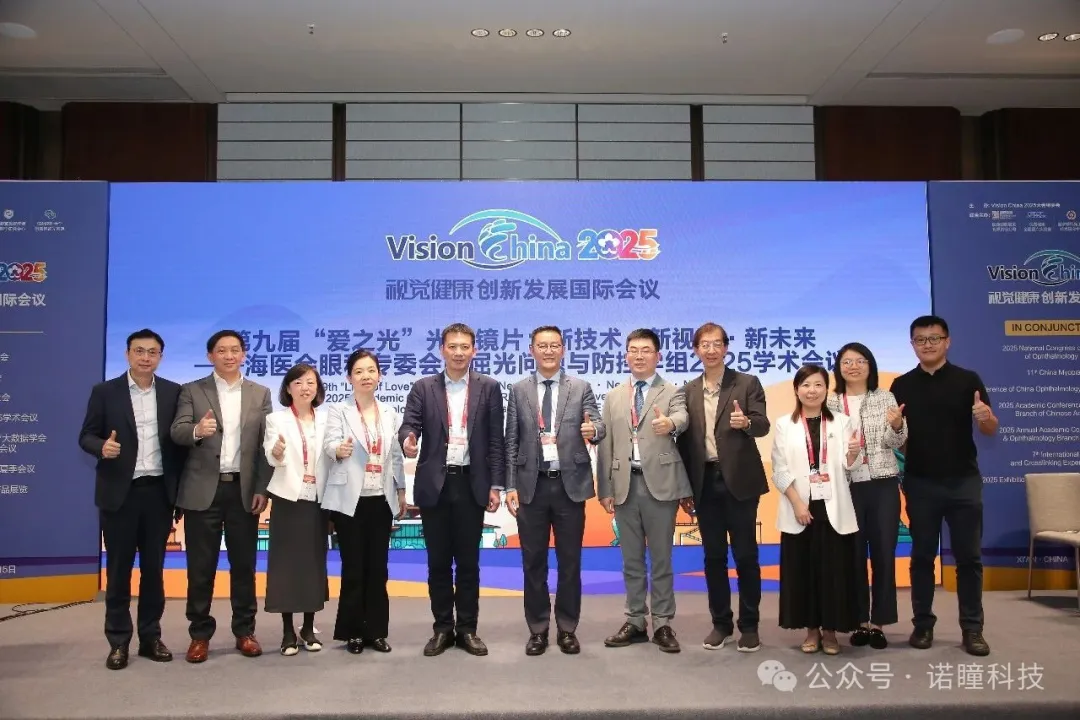
With the continuous development of new technologies, clinicians now have greater ability to deliver precise, personalized myopia management solutions. These advancements make it possible to better understand each child’s individual visual needs and to design prevention strategies that are more accurately tailored to them.
The roundtable discussion titled “Thoughts on Optical Technology Innovation and Medical Integration in Personalized Lens Solutions” focused on optical technology innovation and its integration with medicine in the context of personalized lens solutions. The discussion explored how to enhance routine personalized customization capabilities. During this forward-looking roundtable, the experts exchanged perspectives as follows.
This was a meeting that brought together ideas, where experts shared how they had applied personalized methods in clinical practice to tailor prevention strategies for special patients. They discussed how differences in binocular visual function can affect myopia prevention outcomes and how lens design can be adjusted to improve treatment effectiveness.
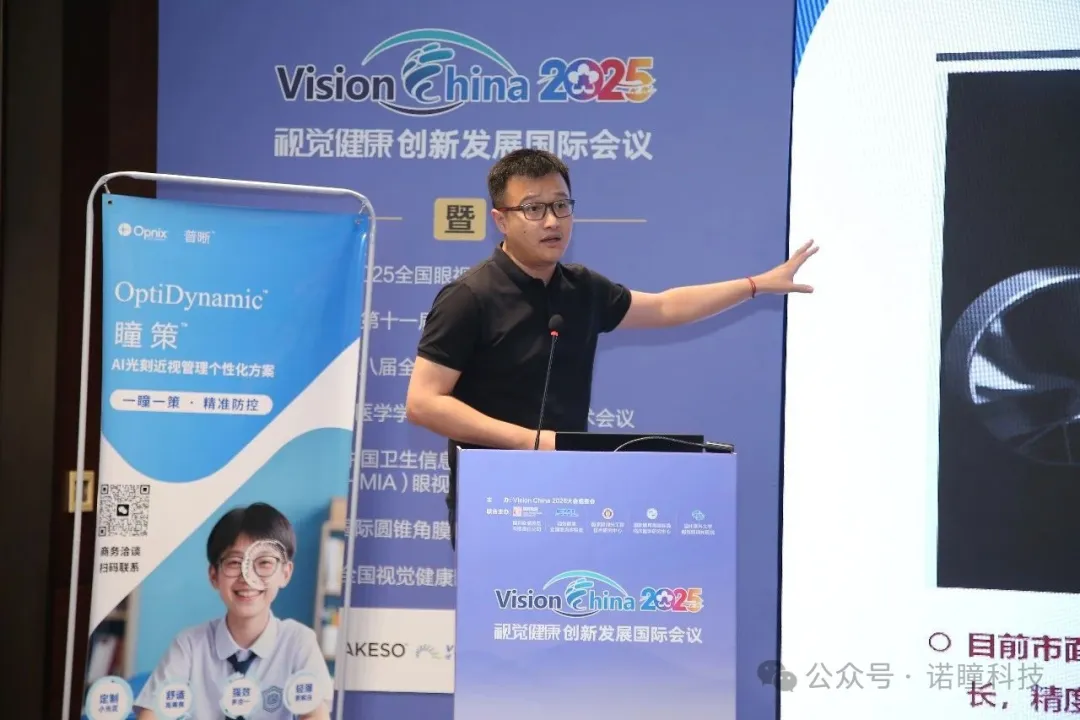
To strengthen practitioners’ ability to develop personalized myopia management solutions, Dr. Cai Xiaogu announced that the course “Personalized Myopia Management and New Technology for Myopia Prevention and Control” would be launched in the near future. The course will be jointly developed by the Asia Optometric Management Academy (AOMA) and the China Ophthalmology Platinum Institute.
The program will bring together leading regional and domestic experts and frontline practitioners from across the Asia-Pacific region to develop its content. It will incorporate an international collaborative perspective, introduce innovative technologies, and present both classic and complex clinical cases to support professional development in personalized management and customization techniques.
Through this course, practitioners will gain a deeper understanding of the core principles and strategies of personalized myopia management, the integration of innovative technologies with evidence-based practice, and the application of individual difference assessments to deliver precise and effective myopia prevention solutions for each child. The initiative aims to inspire and empower professionals, promote the development of individualized prevention strategies summarized as “one eye, one plan,” and inject new momentum into the field of myopia prevention and control.

Vision China is one of the leading professional platforms for the ophthalmology and optometry industry, bringing together clinicians, researchers, academic institutions, and technology innovators. The event serves as a key venue for academic exchange, industry collaboration, and the presentation of cutting-edge advancements in eye health, optical technology, and clinical practice.
Akeso Eyecare is a doctor-founded eye-technology company and CDMO focused on improving vision care. We design and build advanced solutions like AR displays for myopia prevention, eye tracking, extended reality devices, and digital vision health tools used in eye care and smart technology.
Our mission is to improve global vision health through smart innovation. By combining optical design, materials science, and AI, our R&D team supports partners from early research to custom design, manufacturing, and large-scale production, always guided by medical expertise, collaboration, sustainability, and patient-first thinking.
Akeso – engineering the future of vision.
Engineering the
Future of Vision.